

This is EmoSense,

Innovation Project - Emotion Sensing
Emotion Sensing is a project under Philips Design's Innovation Project Initiative.
It aims to detect early signs of conduct disorder in children.
Context
PRODUCT
A combination of systems, softwares and services, to detect and analyse early signs of conduct disorder. It is configured and delivered in such a way that it helps therapists and parents, identify the emotional triggers through gamified therapy techniques, home care and patient monitoring and help them aid the child in therapy.
TEAM
The team of three, Ketaki Karkhinis, who initiated the idea, Swapnil Gupta and myself.
Users
The users of the system are therapists, children and parents.
MY ROLE
My knowledge about physical computing on Arduino, RasPi, led me into this project. The project was also at a stage to build a business model canvas, and since I have experience in that area, that task was lead by me.
CHALLENGES
Conduct Disorder presents itself as notorious behaviour and thus passed off as children's usual behaviour. Other challenges include deciding ways to find out underlying cause given the niche use case.

Process
RESEARCH
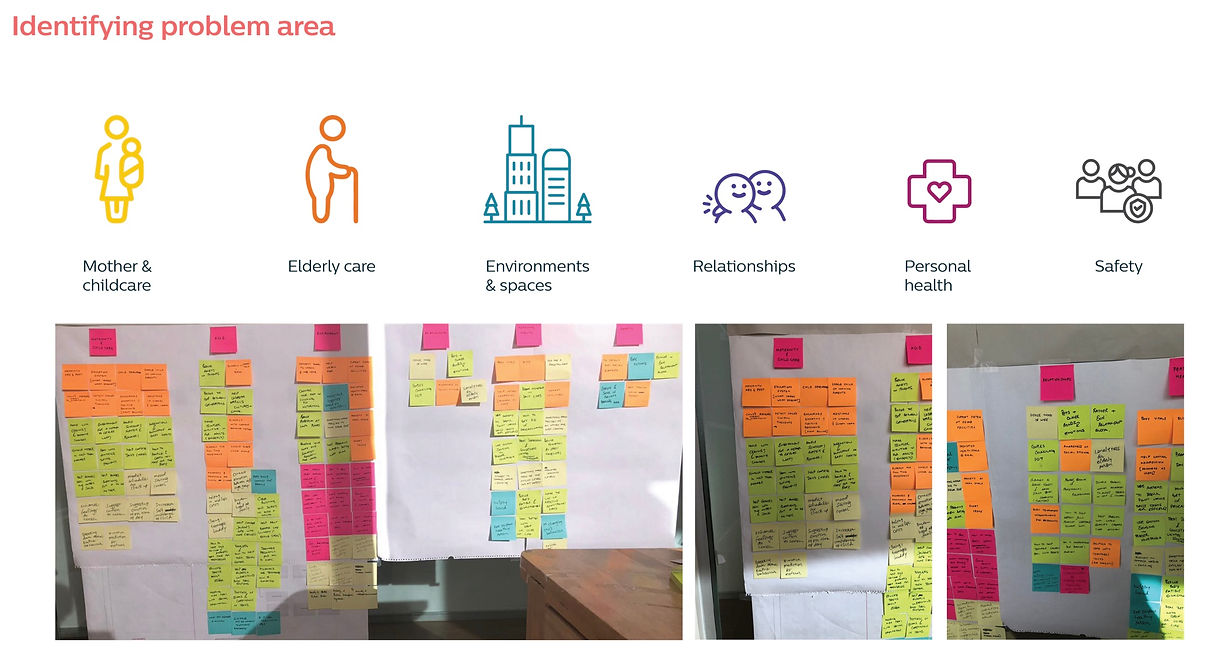
The scope of the project was open initially. At the time I joined, the problem area was narrowed down to conduct disorders among children. Hence, some of the research had already been done.



Execution
APPROACH
A gamified experience was thought of that contains trigger points at calculated intervals and in turn collects data about the child in therapy. The game is being designed in Unity using image processing with the aid of Affectiva algorithm.


